Understanding Bias in Police Decision-Making
Recognizing bias, improving accuracy and fairness in everyday police decision-making.
In July 2024, Sonya Massey, a Black woman in Illinois, was fatally shot by a white sheriff’s deputy who misinterpreted a simple movement, turning while holding a pot of hot water as an immediate threat. The officer had arrived for a routine welfare check, but within seconds, the situation escalated into a deadly outcome. ap news
How
This training improves bias awareness, encourages slower and more deliberate decision-making, and promotes diverse, transparent hiring practices that reduce the risk of bias-driven errors.
Awareness of Bias
People experience “bias blindness”, believing others may be biased, but not themselves. The IAT and shooter task do not eliminate bias, but they help officers see how split-second judgments can be shaped by unconscious associations. Recognizing these patterns is the first step toward making safer, more accurate decisions in the field.
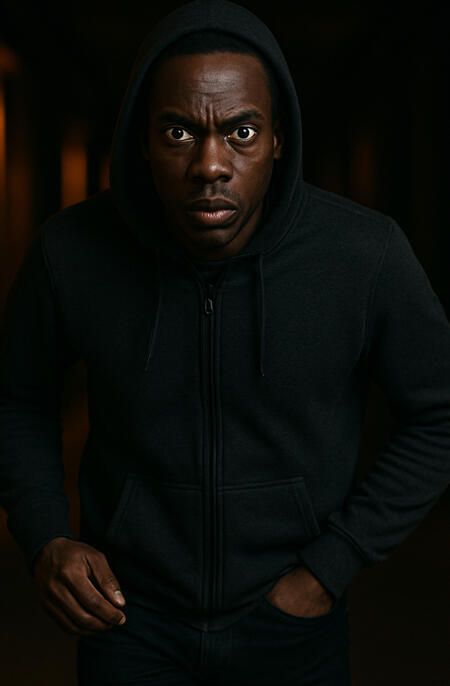
Perceived Threat
This exercise shows how ambiguous cues like a tense expression, quick movement, or a hand in a pocket can trigger an automatic sense of danger. Noticing these moments helps officers slow down and reassess before acting.
Which picture looks more threatening?
(Pictures generated by GPT5)

A tense expression, a forward-leaning posture, and hands in pockets can trigger a rapid threat response, which is prone to misinterpreting.
A relaxed facial expression and visible hands provide clear and stable cues, which will automatically interprets as "safe".
Diversity Structure
This chart updates automatically based on user input. Police department managers can input their own racial data to create the chart. It helps departments visualize the racial and demographic makeup of their personnel, highlighting strengths and gaps in diversity and representation.
Clear awareness of department composition supports fairer hiring, more inclusive training, and better community relations.
(The data used in the chart is for illustrative purposes only and is not actual data.)
What's the website about?
The tragedy of Massey reflects a broader problem in policing: ambiguous, harmless behavior can be misread as dangerous, especially when stress, stereotypes, and rapid intuitive judgments are involved.
This website is designed for police officers, training staff, and hiring personnel. Its goal is to provide simple, practical tools that reduce threat misperception, improve the accuracy of judgment under stress, and support fair and consistent hiring practices.By increasing awareness, strengthening structured evaluation, and promoting greater transparency, this training helps departments create safer interactions, reduce unnecessary escalation, and build stronger trust with the communities they serve.
Why did this happen?
Research in psychology and policing shows that several cognitive and emotional processes can distort judgment in high-pressure situations:
| Theory | Explanation |
|---|---|
| Threat Theory | Groups stereotyped as physically dangerous elicit fear, which motivates avoidance or defensive aggression. |
| Implicit Bias | Automatic associations such as linking Black individuals with danger can subtly influence how behavior is interpreted, even without conscious prejudice. |
| Error Management Theory | Humans evolved to err on the side of over-detecting threats, since the cost of ignoring a real danger is greater than the cost of a false alarm. |
| Decision-Making Styles | Some officers rely on fast, intuitive impressions, while others use slower, analytical evaluation. Stress and poor emotional regulation can push officers toward impulsive, threat-heightened decisions. |